
One of the most common questions nursing parents have is how to collect breast milk efficiently and comfortably. Whether you’re returning to work, building a freezer stash, or simply want help managing supply, choosing the right breast milk collection device can make a world of difference.
In this guide, we’ll walk through the three main types of breast milk collection devices — electric, portable (hands-free), and manual — explain how they differ, and highlight the benefits each offers. Plus, we’ll cover essential accessories to make your pumping and collecting experience easier and more effective.
As a mom who has pumped exclusively for 5 babies and has a massive over supply, I have used my fare share of different pumps.
1. Electric Breast Milk Collection Devices
What They Are
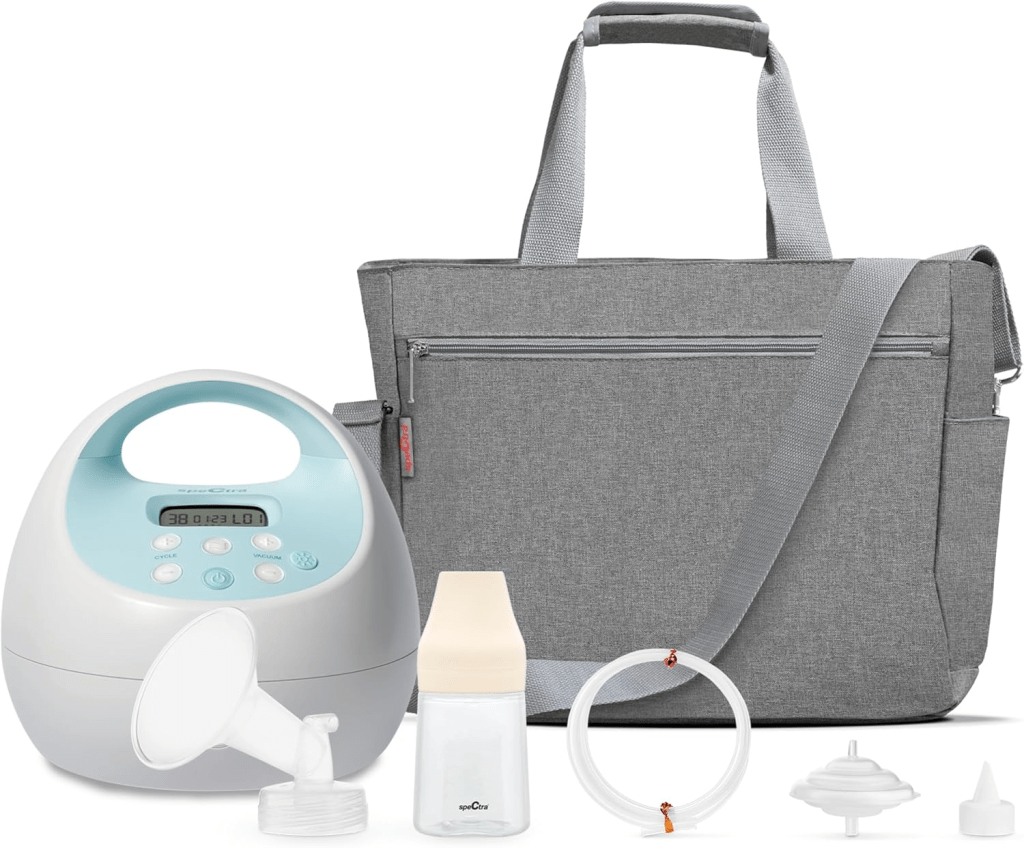
Electric breast pumps are powered devices that use a motor to create suction, mimicking a baby’s natural latch to express milk efficiently from one or both breasts.
How They Work
You attach collection flanges to your breasts, and the pump gently sucks and releases at adjustable speeds and intensity levels. Many pumps allow you to express milk from both breasts simultaneously.
Benefits
✔ Fast and Efficient: Ideal for frequent pumping or building a freezer stash.
✔ Adjustable Settings: You can customize suction and rhythm for comfort.
✔ Double Pumping: Many models allow simultaneous expression from both sides, saving time.
✔ Great for Busy Schedules: Perfect for working parents or long-term pumping plans.
Best For
➡ Parents who need frequent pumping, working moms, or those building up a large milk stash.
My top two favorites are the Medela Sonata and the Spectra S1. The Medela is hospital grade and does a really great job emptying the breast, and the Spectra S1 is great because it is rechargable, has a super convienient light for those middle of the night feeds and is just a great reliable pump. Both of these will run better if they are plugged in and you have a dedicated pumping station set up in a comfortable chair.
2. Portable / Wearable Breast Milk Collection Devices
What They Are
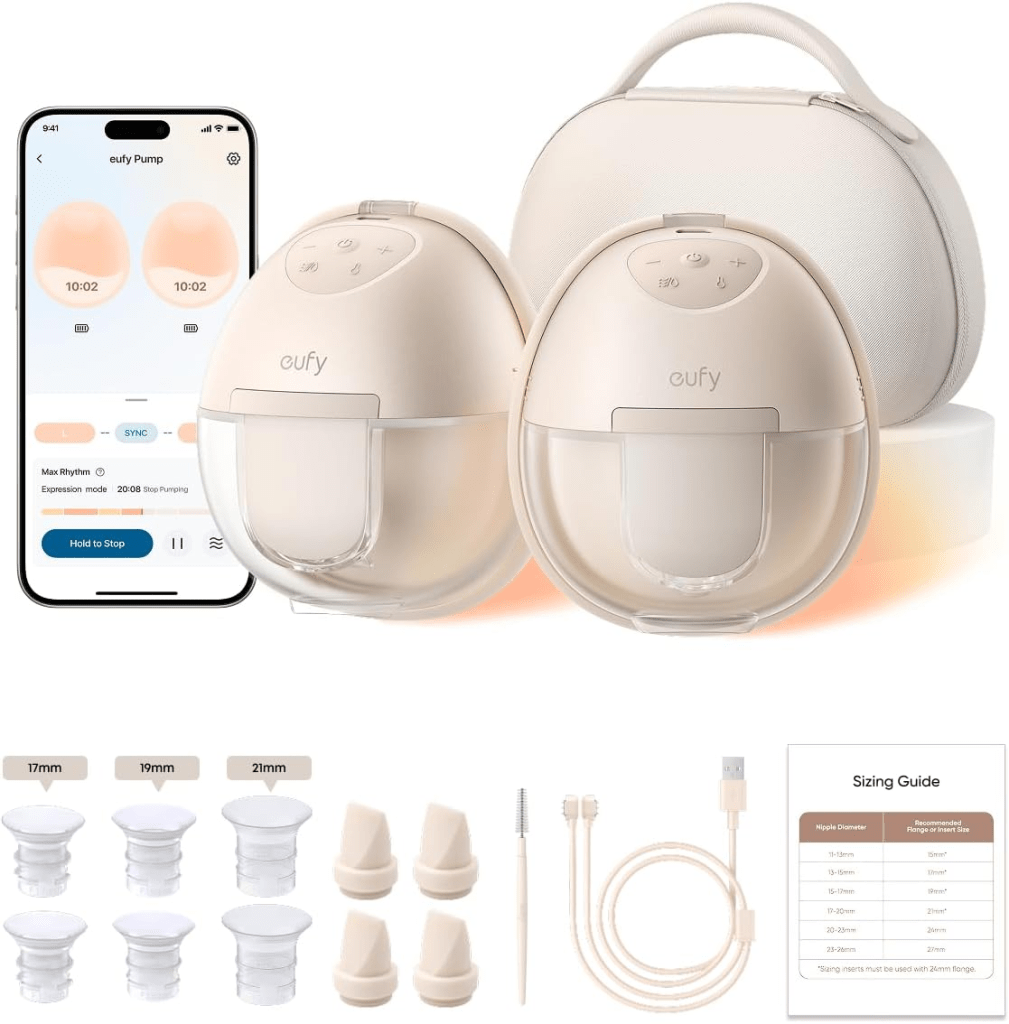
Wearable or portable pumps are lightweight, cordless devices you can wear inside your bra. These let you pump while you’re on the move — no cords, no dangling bottles.
How They Work
These devices use small motors and collection cups that sit directly in your bra — so you can pump hands-free and continue activity (like working, walking, or taking care of other kids).
Benefits
✔ Hands-Free & Discreet: Pump while doing other tasks without needing to hold anything.
✔ Wireless Convenience: No need to be near a power outlet — perfect for travel or errands.
✔ Quiet Operation: Many are designed to run quietly for discretion.
Best For
➡ Parents who need flexibility and mobility — ideal for travel or multitasking days.
My favorites are the Momcozy S9 (really any of them are highly recommended-decent priced) Elvie and the Eufy. The Momcozy would be my top choice as far as use, access of replacement parts and price. The Elvie is super comfortable and super quiet but on the pricier side. The Eufy is breastmilk luxury- with the heated features, it really helps with comfort and making the milk come. The budget friendly Amazon ones (under $30) definately don’t work as great as the others.
3. Manual Breast Milk Collection Devices
What They Are
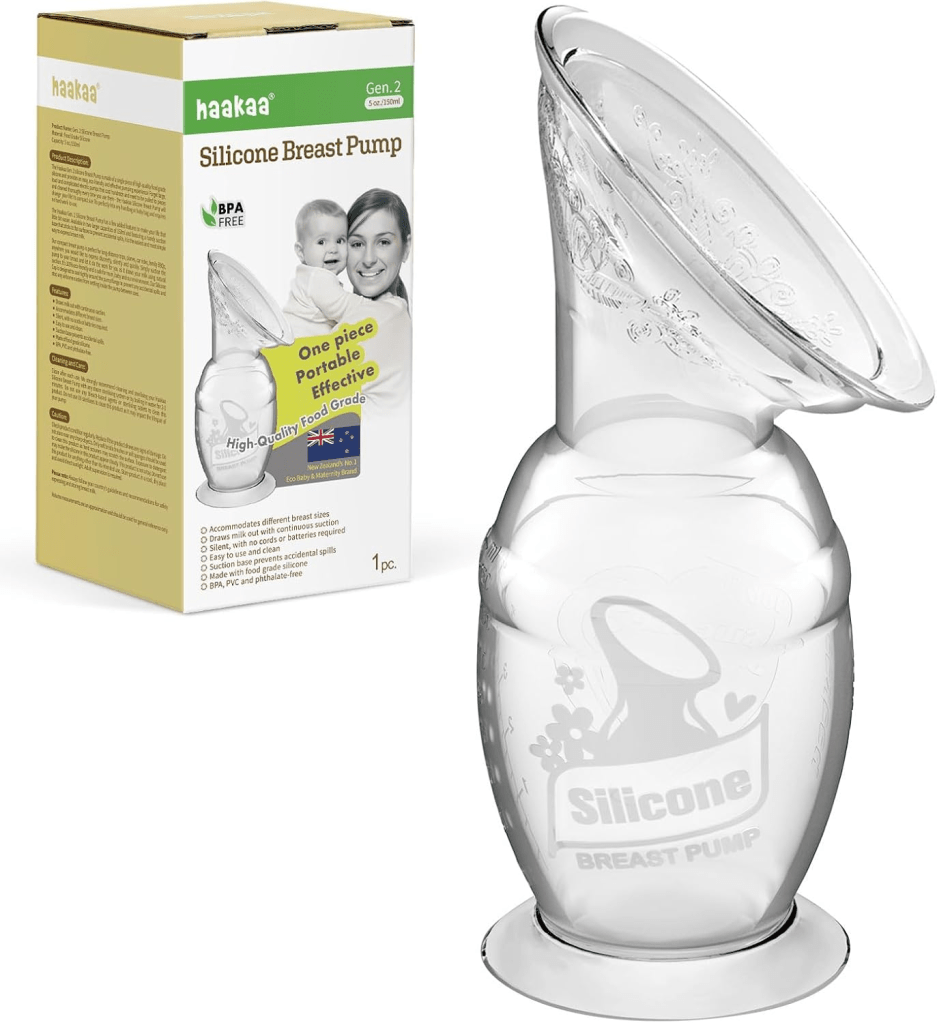
Manual breast pump devices are hand-operated tools that express milk using simple mechanical action — such as squeezing a handle or creating suction.
How They Work
With one hand controlling the pump’s handle, you create suction that draws milk into a collection container. Manual pumps don’t require power or batteries.
Benefits
✔ Affordable & Simple: Great starter option for occasional use.
✔ Quiet: No motor means very quiet operation.
✔ Portable & Compact: Easy to toss into a diaper bag.
Best For
➡ Parents who only need to pump occasionally or want a lightweight, budget-friendly option.
➡ Clogged Milk Ducts and helping releasing clogs
My favorite pumps are the Medela Hand Pump and the Haakaa. The Medela hand pump is a perfect easy to use hand pump, is effective but I much prefer an electric if I’m pumping. I usually used a manual pump towards the end of my pumping journeys to just take the edge off. The Haakaa I used mostly for getting clogs unstuck. I’d put hot salt water in the pump and go in a hot shower and with a little massaging where the clog was- it would always do the trick. I do know women who would use it on the opposite breast while breast feeding and praise it but I was an exclusive pumper so I never used it for that.
Key Accessories to Enhance Milk Collection, Storage and Sanity
Collecting milk comfortably and efficiently is about more than just the pump — accessories matter. I super highly recommend getting a second or third set of each pump parts, especially if you plan on exclusively pumping. The second set will help when you are too tired in the middle of the night to wash, or if one set breaks or gets warn down. Here are some other helpful items to consider:
1. Breast Shields / Flanges
These are the cups that fit over your breasts. Choosing the right size ensures comfort and effective milk flow. If they are too big or too small, you will hurt.
2. Milk Storage Bags & Containers
Keep milk fresh and safe with BPA-free storage bags or stackable containers. My favorite budget bags are the lansinoh. The cream of the crop ones are the Nuliie silicone ones, but for an exclusive pumper who over supplied, I would have needed $1000 worth for those to make sense and I just wasn’t about to buy that many, but for someone who doesn’t have a huge freezer stash, these are amazing, sturdy and no plastic. When using the lansinoh bags, the are the perfect size to make bricks of milk bags in plastic ziploc gallon bags. Pro Tip: Always lay your milk bags flat to freeze so they take less room and date all of them, using the oldest milk first.
3. Pump Bag or Tote
A dedicated bag keeps your pump and accessories organized and ready to go — especially helpful for work or travel. Some of the pumps come with pump bags but any large tote will work. I prefer the ones with seperate pockets to keep different things organized.
4. Cleaning Brushes & Sterilizing Gear
Tiny pump parts can be tricky to clean. Brushes, steam bags, or sterilizing units help keep everything hygienic. When I tell you, especially if you multiple times a day, the sterilizing bottle and pump part washer is worth the investment, it is. I didn’t have one for my first to kids and how I made it without one is a miracle.
5. Extra Batteries or Chargers
For portable devices, extra batteries or chargers ensure you’re never caught without power. Some of the pumps even have car chargers that you can get.
6. Hands-Free Pumping Bras
These let you slip in pump flanges and go about your day without support — a must-have for wearable pumps! Another cheap version that I made frequently was take an old sports bra and see where you nipples landed and cut a whole just big enough to slip the flange in.
7. Milk Jugs
As an exclusive pumper, I would pump and put all my milk in a milk jug. At the end of the day, whatever we didn’t use we would put in bags for the freezer. Milk jugs are also great when you start using your freezer stash. It’s helpful to unthaw the right amount each day in there.
8. Nipple Protection
Nipple protection is an essential part of a comfortable breastfeeding journey, especially in the early weeks when sensitivity and soreness are common. Products like nipple butter are specially formulated with soothing, baby-safe ingredients (such as shea butter and calendula) to moisturize and protect cracked or dry skin between feeds. Silver nursing cups, often referred to by brands like Silverette, are small sterling silver cups worn inside the bra that naturally help protect nipples and create a healing environment thanks to silver’s antimicrobial properties. And of course, simple coconut oil — my personal favorite — is a natural, affordable option that provides gentle moisture and comfort while being safe for baby (as long as it’s organic and unrefined). I would use in while I’m pumping to help prevent irritation and ease glide. Whether you prefer a specialty product or a pantry staple, consistent nipple care can make a big difference in preventing irritation and supporting a smoother breastfeeding experience.
Choosing the Right Device for You
There’s no single “best” device for every parent — it comes down to your lifestyle and goals:
- Need frequent, efficient pumping? Go for an electric pump.
- Want to multitask or stay mobile? A portable wearable pump might be ideal.
- Only pump occasionally? A manual pump can be simple and budget-friendly.
Each option offers unique advantages, and combining devices (for home and travel) can also be a good strategy.
Insurance
Many health insurance plans cover the cost of a breast pump and sometimes replacement parts, making it more affordable to access the equipment you need. In the United States, most plans are required to provide breast pump coverage as part of preventive maternal health benefits, though the type of pump (manual, electric, or hospital-grade rental) and timing of coverage can vary by provider. Some insurers work with approved medical supply companies, meaning you may need to order through a specific vendor. In addition to the pump itself, certain plans may also cover replacement parts like tubing, valves, flanges, and milk storage bags at regular intervals. It’s a good idea to contact your insurance provider early in pregnancy to understand what’s included, whether you need a prescription, and how to ensure you receive the maximum benefit available to you.
Final Thoughts
Collecting breast milk doesn’t have to be stressful. With the right device and accessories, you can create a system that fits your daily routine — whether you’re at home, at work, or on the move.
If you’re unsure where to start, think about how often you plan to pump, where you’ll be doing it most, and what level of comfort you need. From powerful electric pumps to sleek wearable models and budget-friendly manual options, there’s a perfect fit for every parent.
For our top recommended breastfeeding products click here!

Affiliate Disclosure: Some of the links I share may be affiliate links, which means I may earn a small commission if you choose to make a purchase — at no additional cost to you. I only recommend products I personally use, trust, and genuinely love. Every item I share has been thoughtfully selected because it’s made a positive difference in my own experience, and I’m excited to pass those recommendations along to you. Your support truly means so much and helps me continue creating helpful content!
 The Refined Routine
Leave a comment